Every Displaced Single Mother Carries a History the World Must Not Lose
Preserving the stories of displaced single mothers and female-headed households, or FHH, so the world remembers their dignity, strength, and truth.
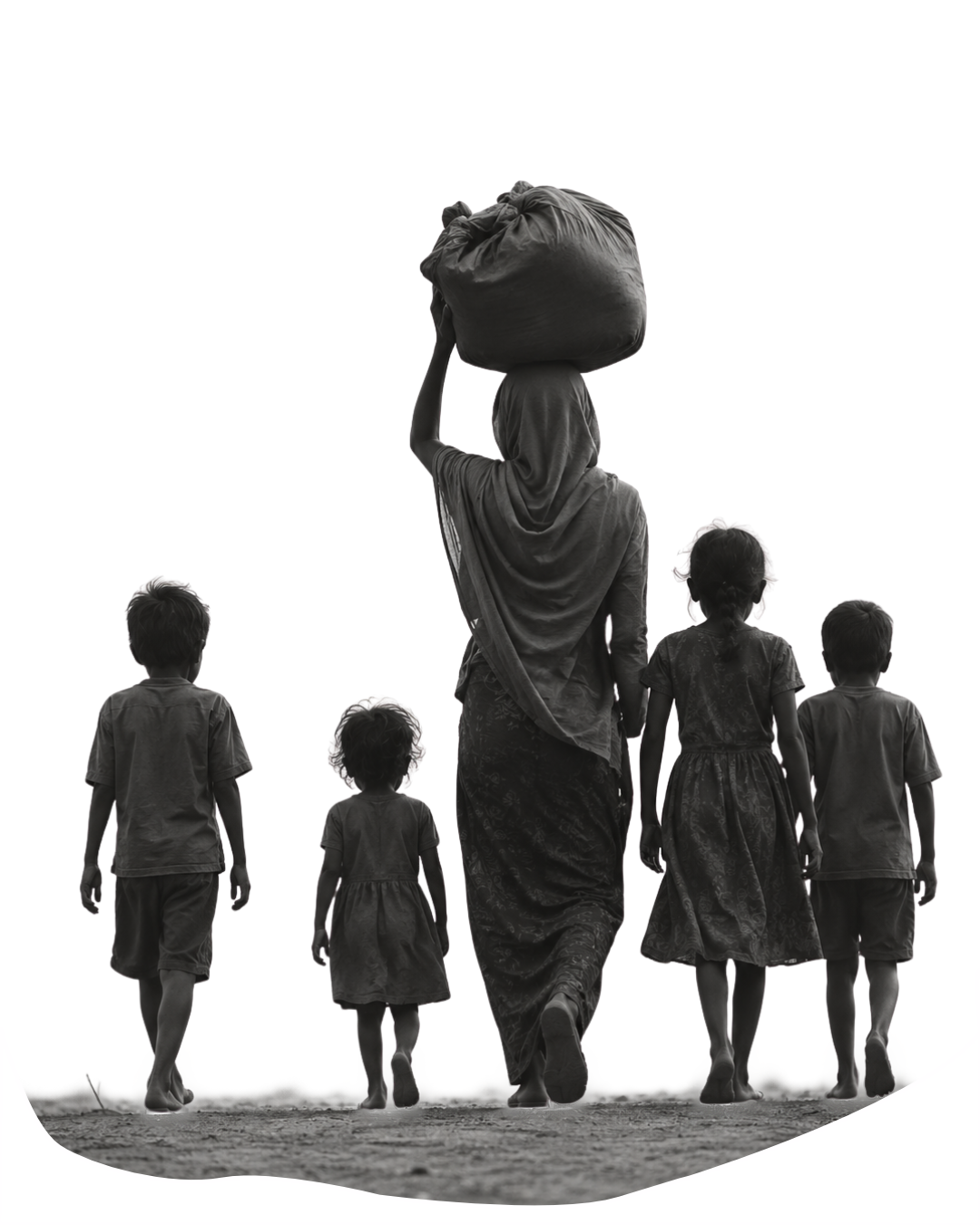
The Refugee Archive Mission
We collect oral histories from displaced mothers and process them into powerful tools for change.
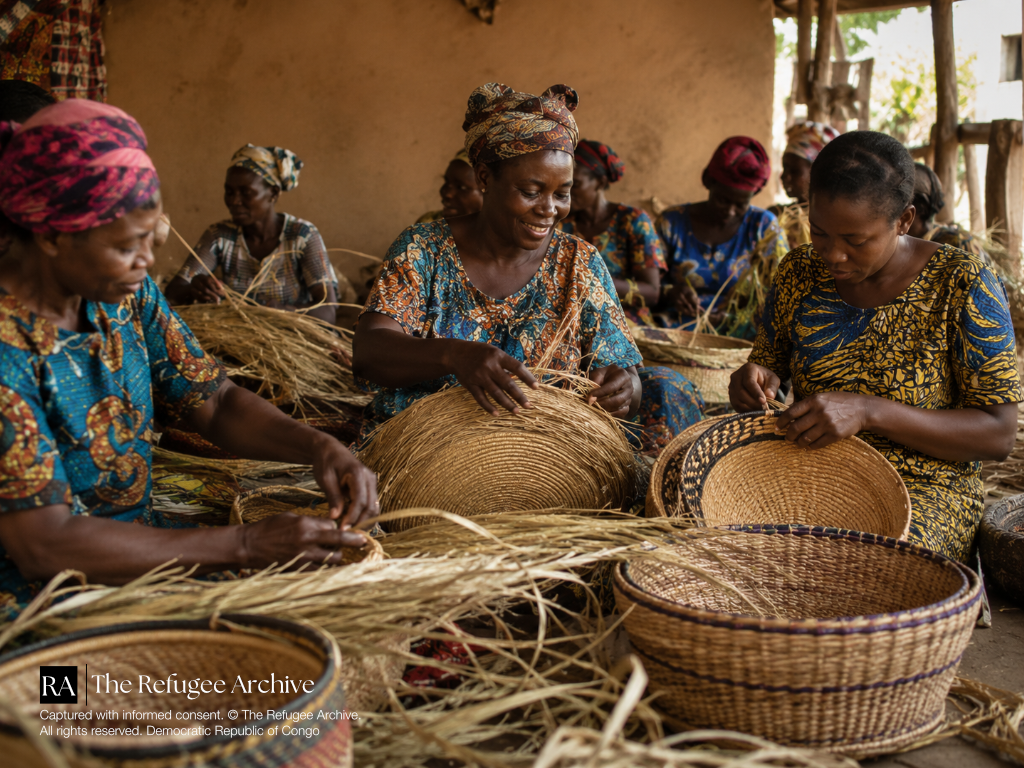
Collect
We record long-form, trauma-informed oral histories from displaced women and single mothers.
Archive
We partner to archive testimonies and oral histories in safe, secured storage to be preserved for all time.
Research & Awareness
We publish real-world findings to spread awareness and highlight systemic gaps in humanitarian aid.
Inform Policy
We use lived experiences to guide policymakers and build better, more effective programs.
Each country.
Its Own Lab.
Every country gets its own portfolio — not a template. Each Story-to-Action Lab brings together all of our work in one country: oral histories, education, research, and policy engagement. We adapt everything to local geography, law, culture, language, and available resources.
This work is grounded in relationships, not fly-in projects. Every Lab is co-run with grassroots partners and local leaders who know the communities we work in. The people doing the work live closest to it. That's not a policy, it's the only way this works.
Operating Regions
- Democratic Republic of the Congo
- Nigeria
- Uganda
- Kenya
- South Africa
- West Bank
- Jordan
- Bangladesh
Our In-Country Partners
Working hand-in-hand with grassroots organizations to ensure stories are collected ethically and impactful actions are localized.
Voices from the Field
PCR Foundation
Democratic Republic of the Congo
"Since January 2025, the ongoing conflict in eastern Democratic Republic of the Congo has forced countless families from their homes, leaving many women to survive as widows or single mothers while carrying the deep trauma of violence, displacement, and loss. Our partnership with The Refugee Archive has made a meaningful difference in the lives of vulnerable women in eastern Democratic Republic of the Congo."
Through this collaboration, The Refugee Archive interviewed eight single mothers living with trauma caused by conflict, displacement, sexual violence, and loss. For many of them, it was the first time they had spoken openly about their experiences.
The oral history interviews gave these women a safe space to share their pain, begin their healing journey, and have their voices heard internationally. We believe their stories will help others see them not as victims or people marked by shame, but as women of courage whose experiences can inspire hope and understanding.
There are many more women in our communities who need this opportunity. We hope this partnership continues so that more survivors can tell their stories, preserve their histories, and begin healing. We also believe these oral histories will help their children understand that they are not the result of shame, but a testimony to their mothers' resilience and strength."
"He told me not to take our children back to the village."
In this first oral history from Benue, Elizabeth invites us into her memories of home, family, motherhood, and the events that would eventually change the course of her life when violence reached her community in Mbagwen.
Recorded with the support of student field researchers Shidoo Jessica and Onyekachi Obayi from Rev. Fr. Moses Orshio Adasu University.
The Roundtable
An academic discussion space featuring focused interviews with researchers doing fieldwork or publishing dissertations on displacement and humanitarian policy.
Across Archives
An easy-listening conversation series where we feature archivists, humanitarian workers, and global experts discussing field ethics, tactics, and the real work of preserving a story.
Join the Work.
Whether you are a student, researcher, or artist, there is a place for you to contribute to The Refugee Archive.
Fellowship
Apply for a Student or Young Professional Fellowship, building real skills and showable projects for your resume.
Art Program
Apply for the Art of Oral History Program and become a featured artist for change.
Policy Team
Apply to launch or join a policy analysis team. Learn to publish real insights and research.
The Journal
Submit your paper, research, or report to our annual journal and/or join our editorial board.
Live Events
Join or help organize local panel discussions, community gatherings, and exhibitions to bring oral histories into the public sphere.
Webinars & Podcasts
Hosting a webinar or speaking on our podcast gives students and fellows real experience in public speaking and audience engagement.